

WW2 Researched 6 Piece British Medal Bar (Arctic PQ & QP Convoys)
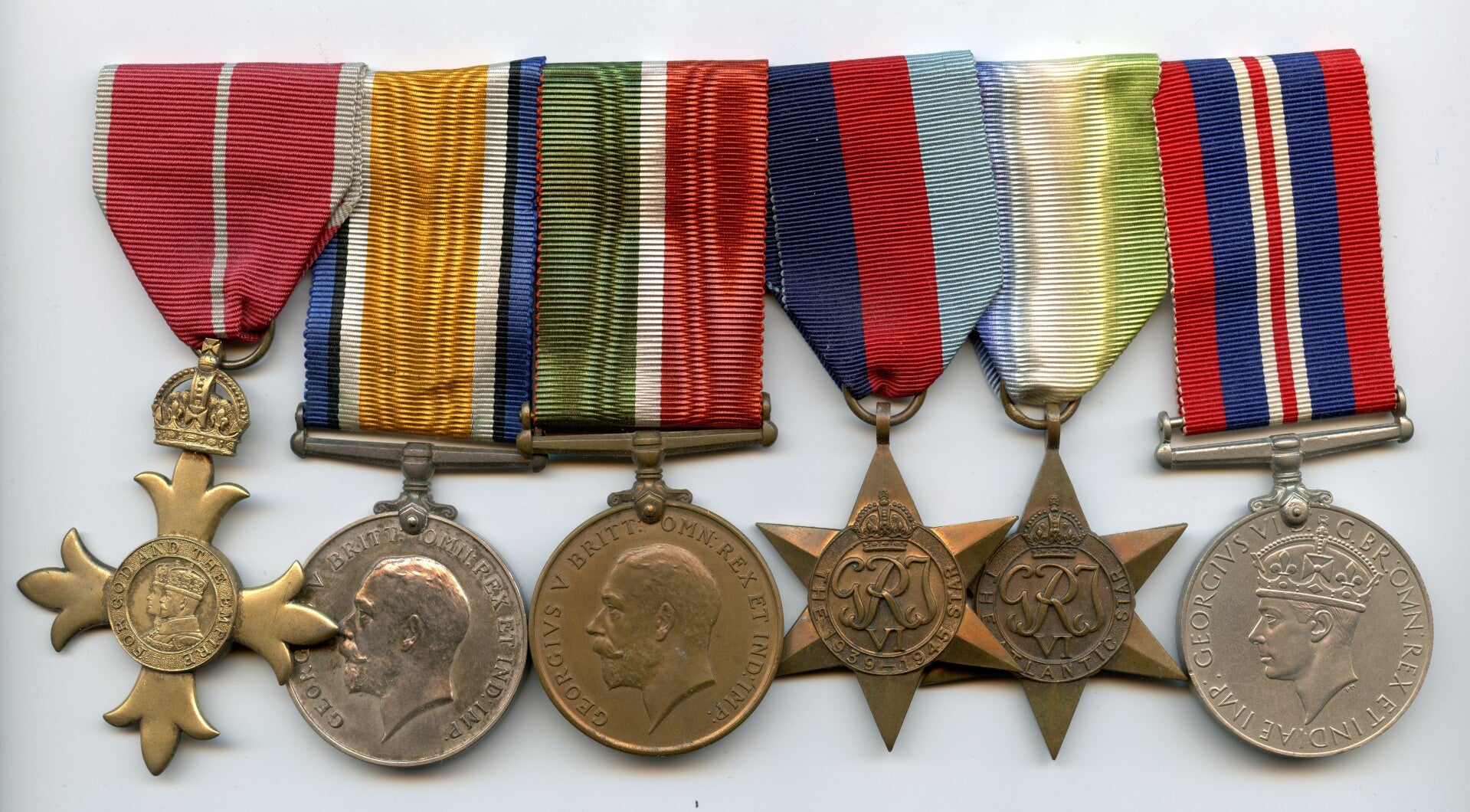
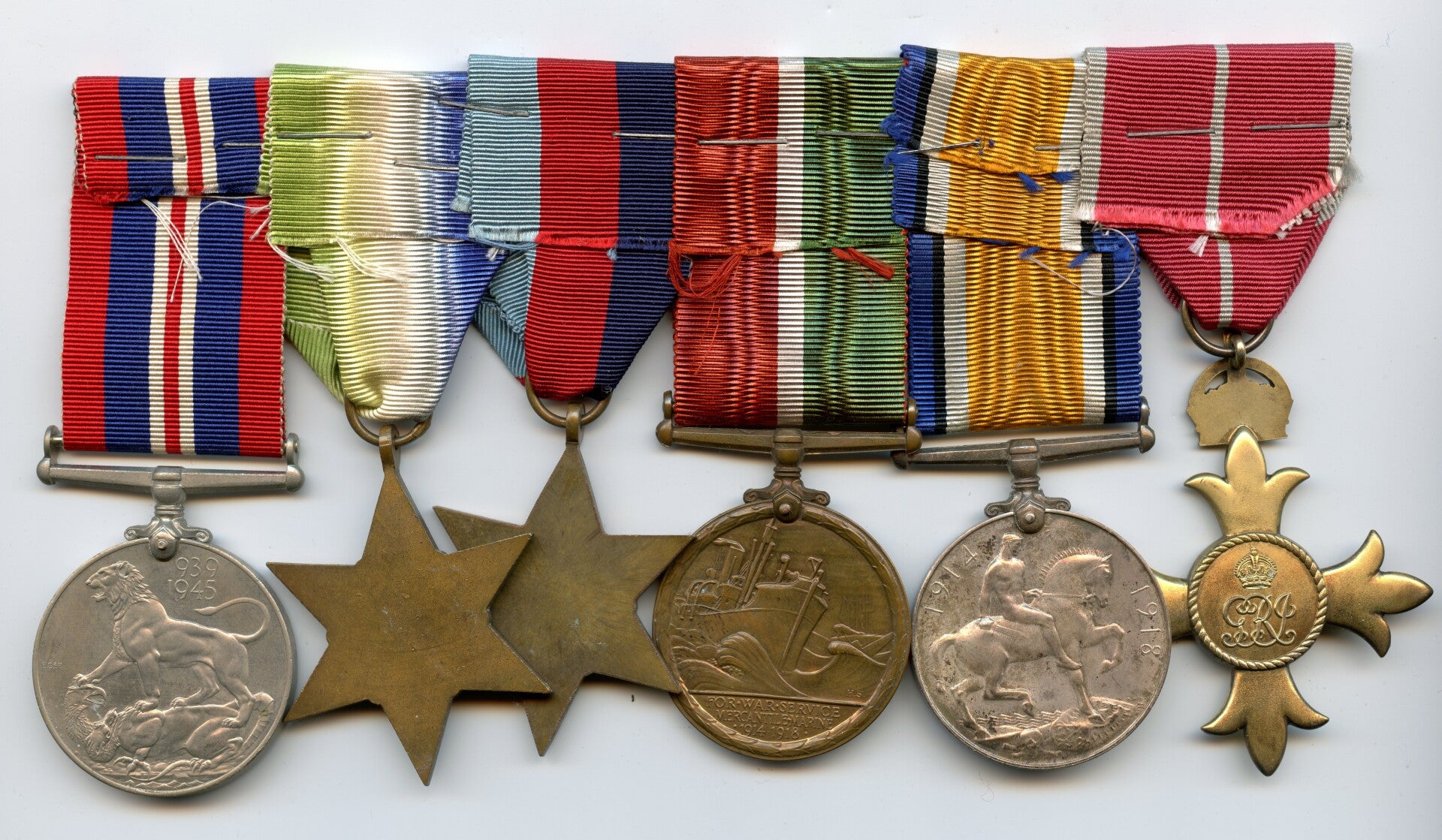
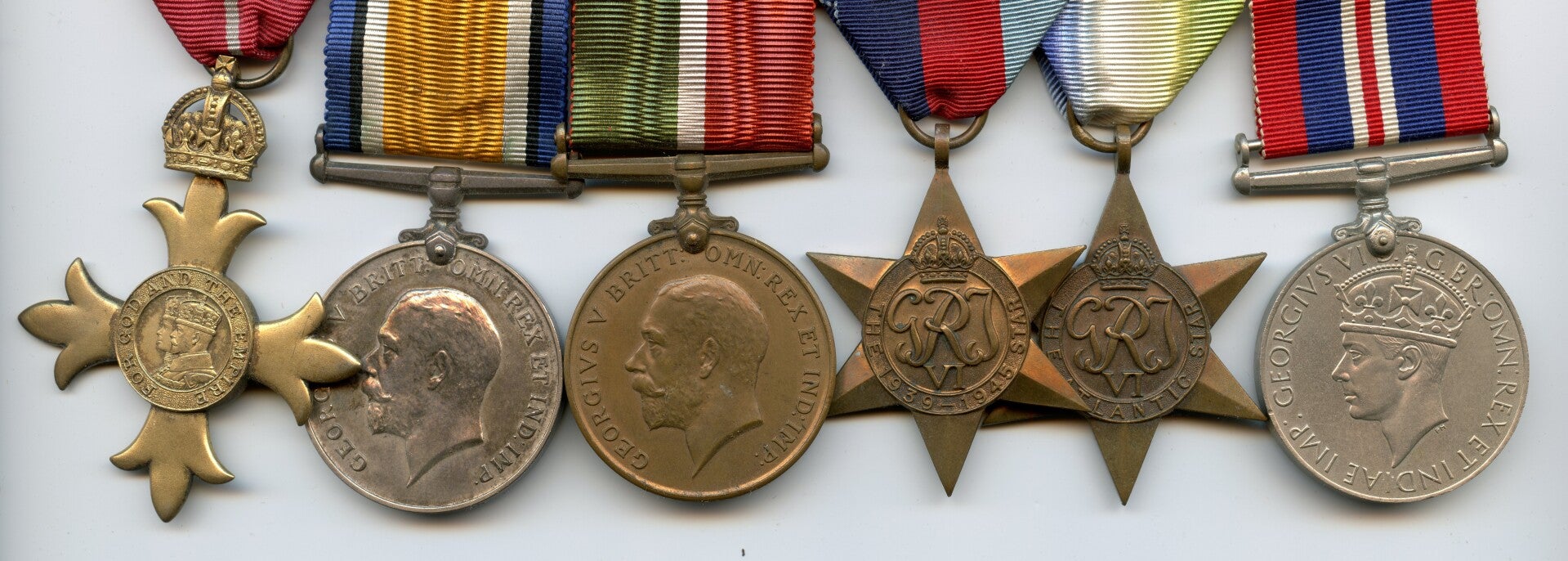
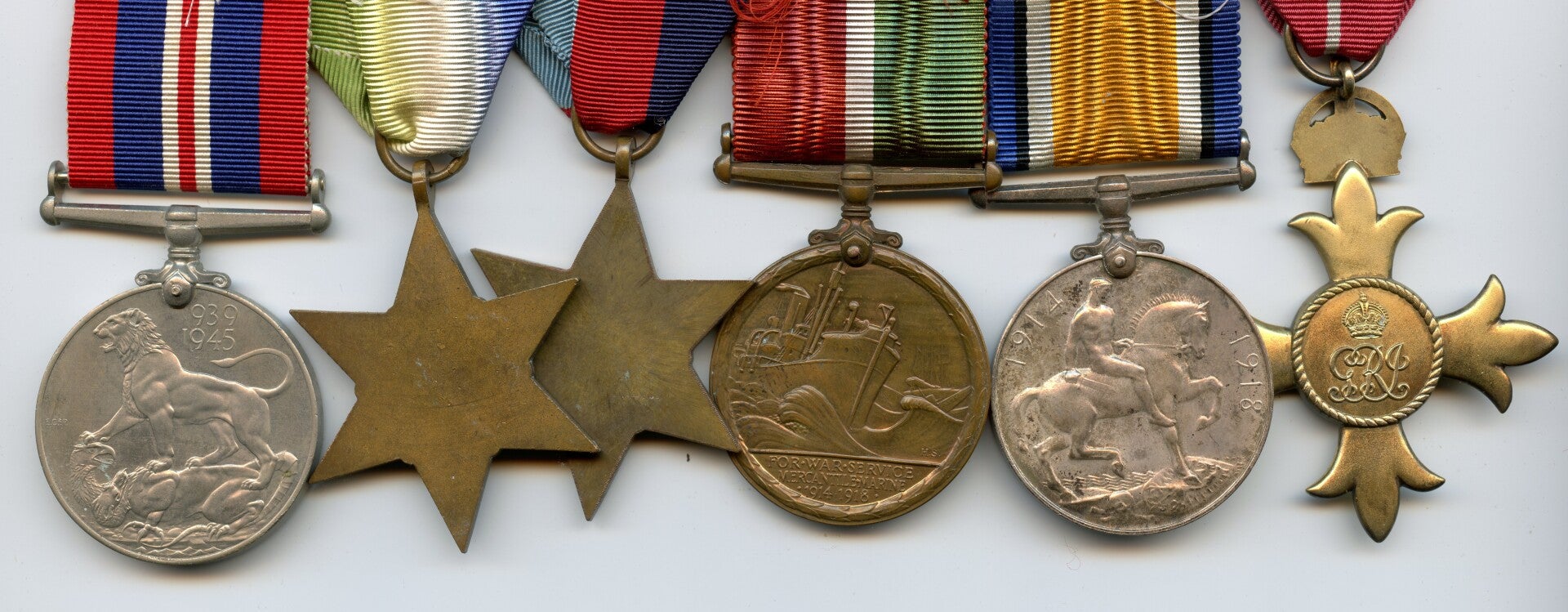
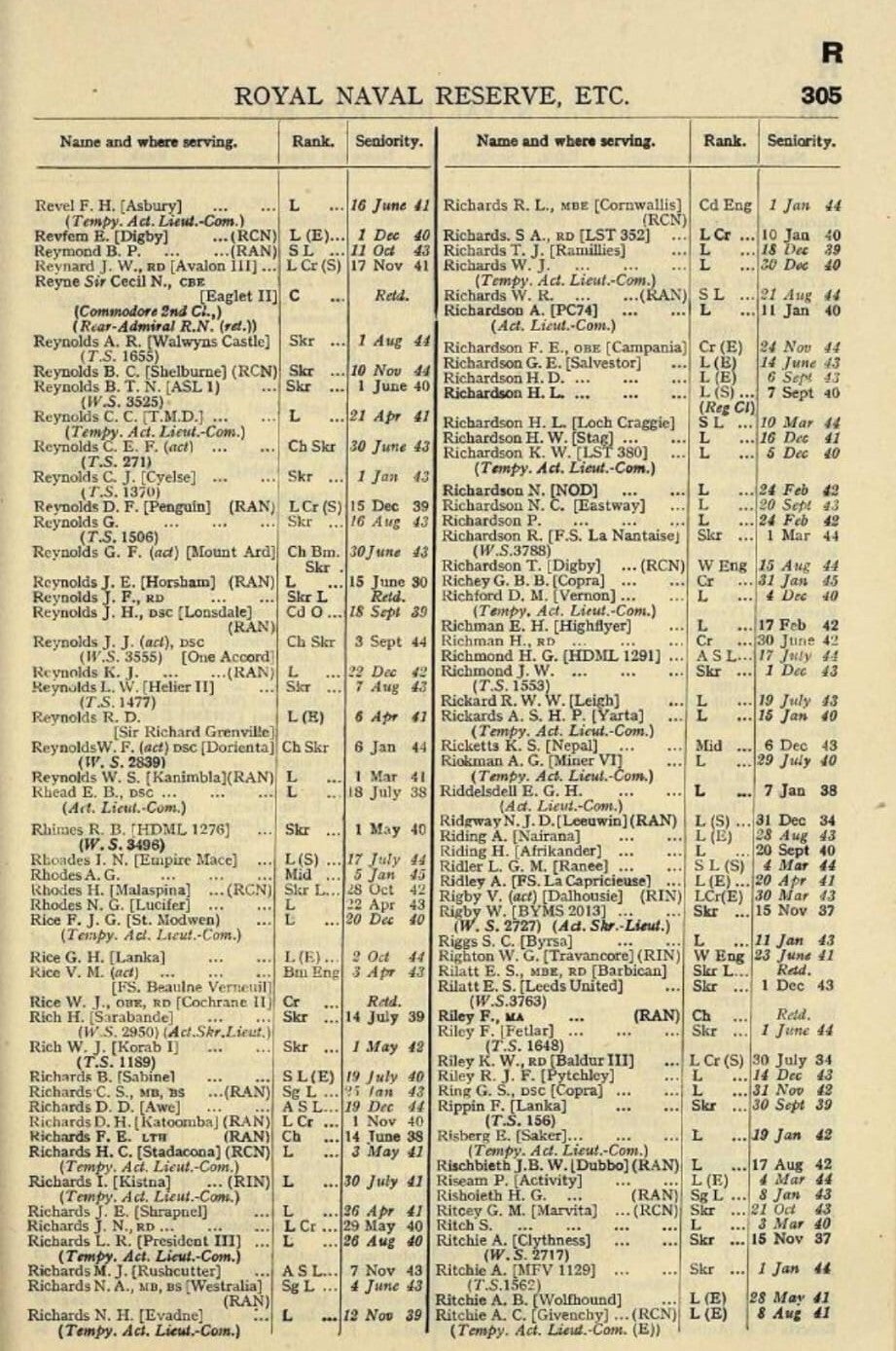
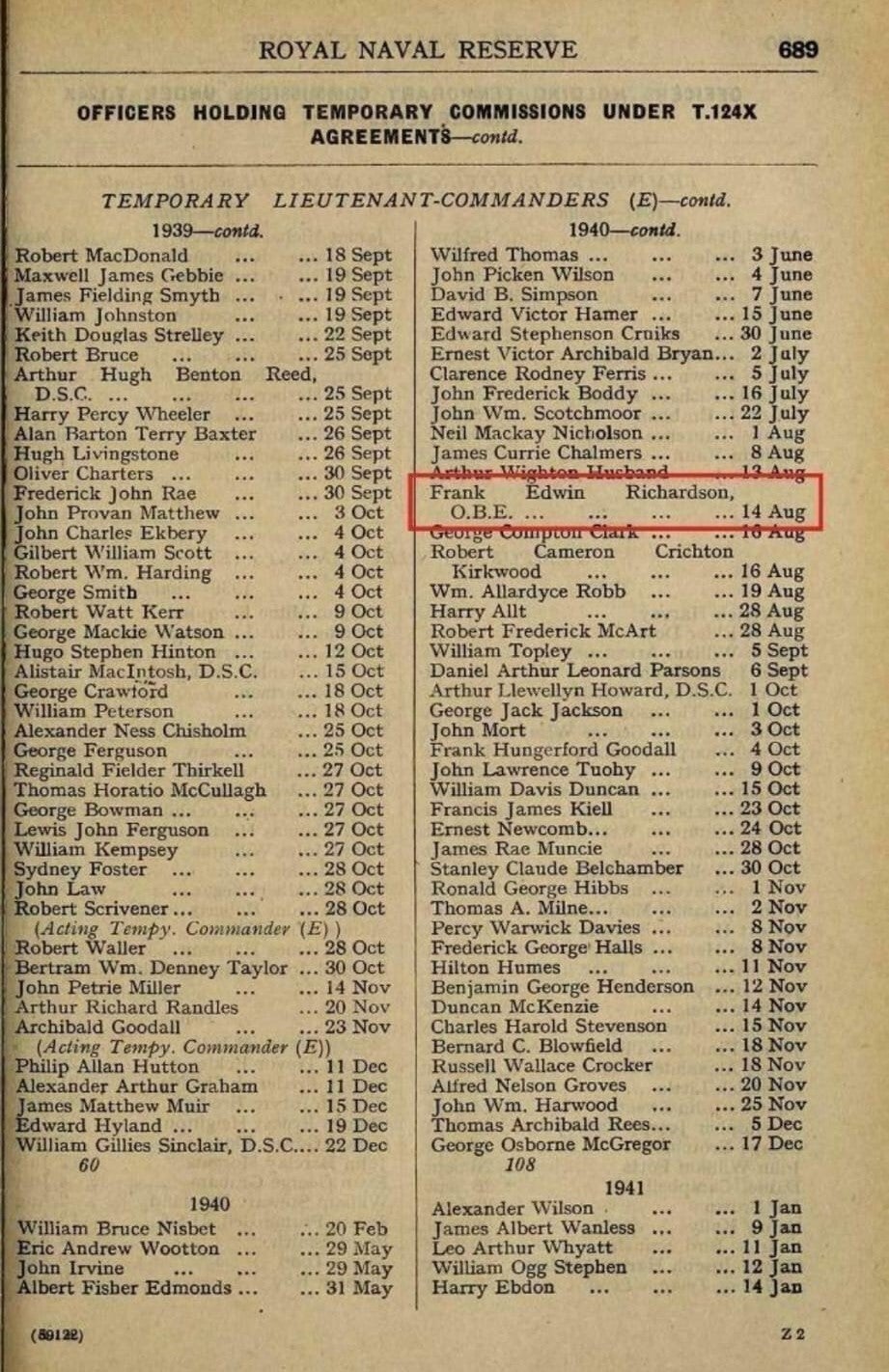
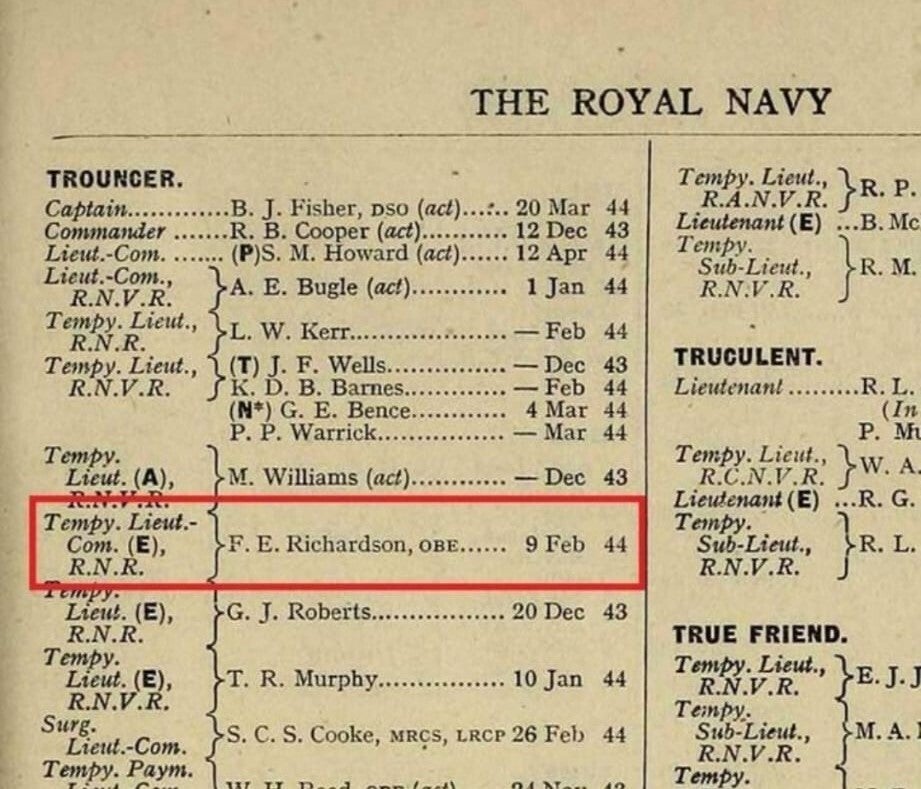
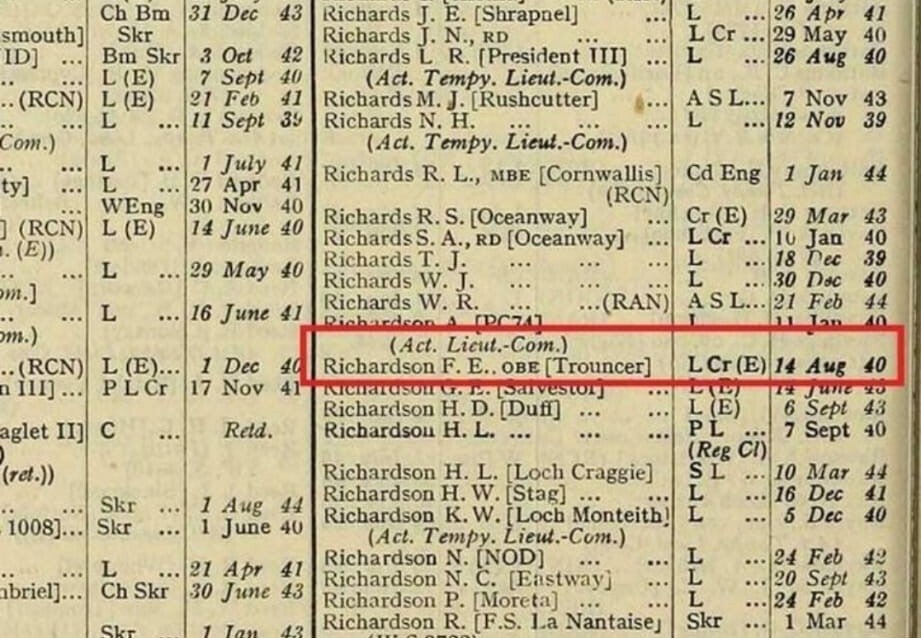
Offered here is an exceptionally interesting medal set of an English officer of the merchant navy and Royal Navy who served during both the First and Second World Wars and during the latter was awarded for gallantry during a PQ convoy to the Soviet Union for exceptional gallantry by King George VI. The Lieutenant Commander participated in several PQ convoys, and also served aboard escort and aircraft carriers. Below is the exceptional story of the soldier and a description of the medals.
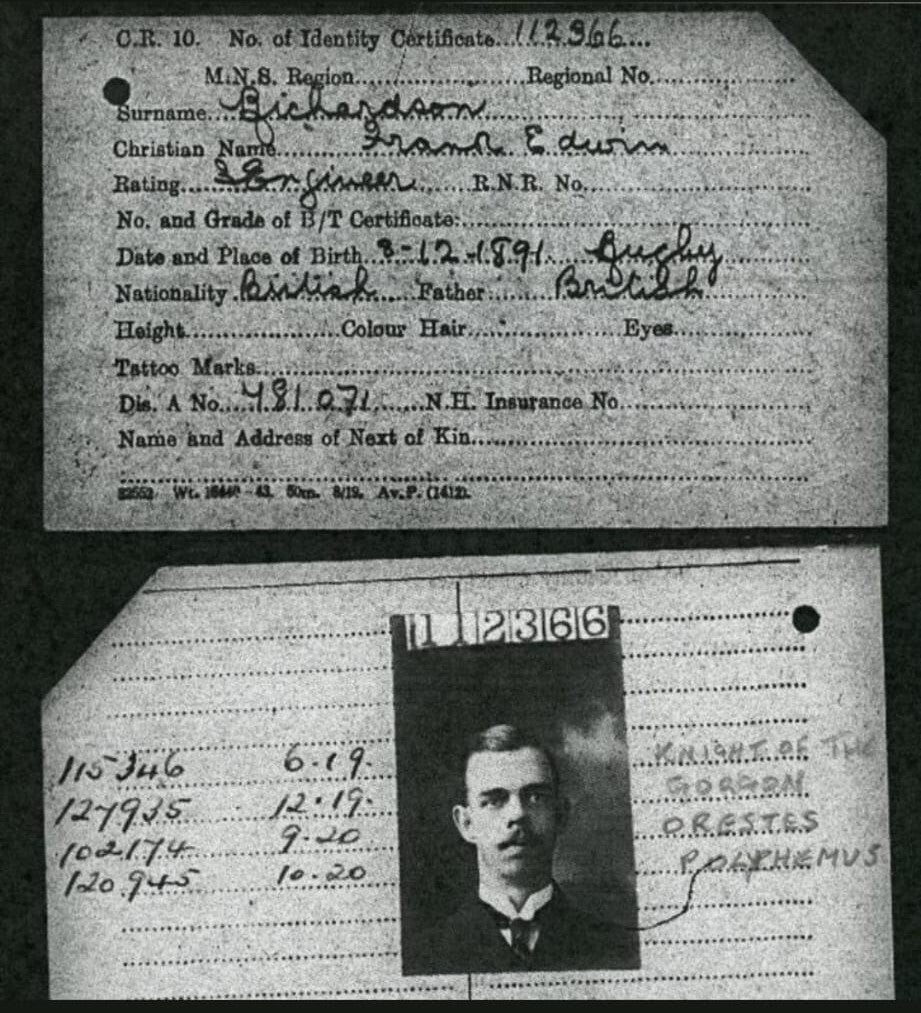
Frank was born in Rugby in 1891 but eventually came to live in Barnston, a village in Merseyside. Although further information about his early life remains to be investigated, it is clear that when World War I broke out, he was already serving in an English merchant shipping company which was one of the largest in the country. He first served as an Assistant Engineer but was later promoted to Third Engineer.
During the war, he served aboard several armed merchant ships, including S. S. Laomedon. In April 1916, the crew of this ship showed themselves to be true heroes when they managed to defend their ship against a German U-boat with their small gun. Although more research into his service during the First World War is recommended, it is clear that he remained in the merchant navy after the war and sailed to Japan, the Soviet Union and America, among other places.
In 1934 he was promoted to Chief Engineer Officer, a post in which he would serve when World War II broke out five years later. At that time he was serving on board a passenger ship which was confiscated by the Royal Navy at the end of 1939 and converted into an Auxiliary Minelayer. On board this ship he then took part in several operations in 1940 under the command of the 1st Minelaying Squadron to create a gigantic minefield between the Faroe Islands and Iceland.
In August 1940, Frank was then promoted to Lieutenant-Commander (E.) and transferred to serve aboard HMS Echo, an E-Class destroyer of the 12th Flotilla. His first mission aboard this ship was Operation Menace, an attempt to capture the strategic port of Dakar. The mission proved to be a failure and HMS Echo was tasked with escorting the damaged HMS Barham safely out of the area. Arriving in Freetown, HMS Echo was used as convoy protection and then did not return to his Flotilla until the end of October.
In May 1941, HMS Echo was deployed as an escort for HMS Hood and HMS Prince of Wales to the Denmark Strait, together with five other destroyers, in search of the German battleships Bismarck and Prinz Eugen. After the Battle of the Denmark Strait where HMS Hood was sunk by the Germans, HMS Echo was used to escort HMS Prince of Wales to Iceland, as this ship had been damaged during the battle.
From 8 December, HMS Echo was deployed together with HMS Escapade as an escort of HMS Edinburgh during Russian Convoy PQ 6 to Kola Bay, where the port of Murmansk is located to the east. After the convoy arrived on 19 December, HMS Echo was deployed to escort a Russian merchant ship on to Murmansk and was attacked by two Ju 88 bombers. The ship was saved from possible destruction by adequate action by the crew, the arrival of HMS Sheffield and Russian aircraft.
For heroism and for his leadership skills during this PQ convoy, Frank was subsequently appointed Officer of the Most Excellent Order of the British Empire (Military Division) in January 1942 and was awarded the corresponding badge. The award was also announced in a special Supplement to the London Gazette.
After returning to Scapa Flow, HMS Echo took part in anti-submarine missions for convoys between the United Kingdom and Iceland. She finally returned to Scapa Flow on 22 August and came to serve under the 8th Destroyer Flotilla. On 2 September she was deployed during Russian Convoy PQ 18 as an escort. Further escorts would follow during these convoys, such as with the returning convoy QP 15 in November of that year, Convoy JW 51A in December and convoy JW 52 in January 1943.
In February she left for repairs to the shipyard at Humber and finally returned in June to her old Flotilla with which HMS Echo sailed to Gibraltar on 17 June. The Flotilla left for Alexandria in early July in preparation for Operation Husky, the Allied invasion of Sicily. Together with HMS Ilex, the Italian submarine Nereide was sunk on 13 July near Messina. It then sailed for Dodecanese in September as part of Allied operations there to capture several islands in that area. However, it turned out to be a major failure and would end up as one of the last great German victories of the war in which Kos and Leros, among others, were occupied by the Germans. Near Astypalaia, HMS Echo managed to attack the German Unterseevaar UJ-2104, which subsequently stranded and was abandoned by her crew.
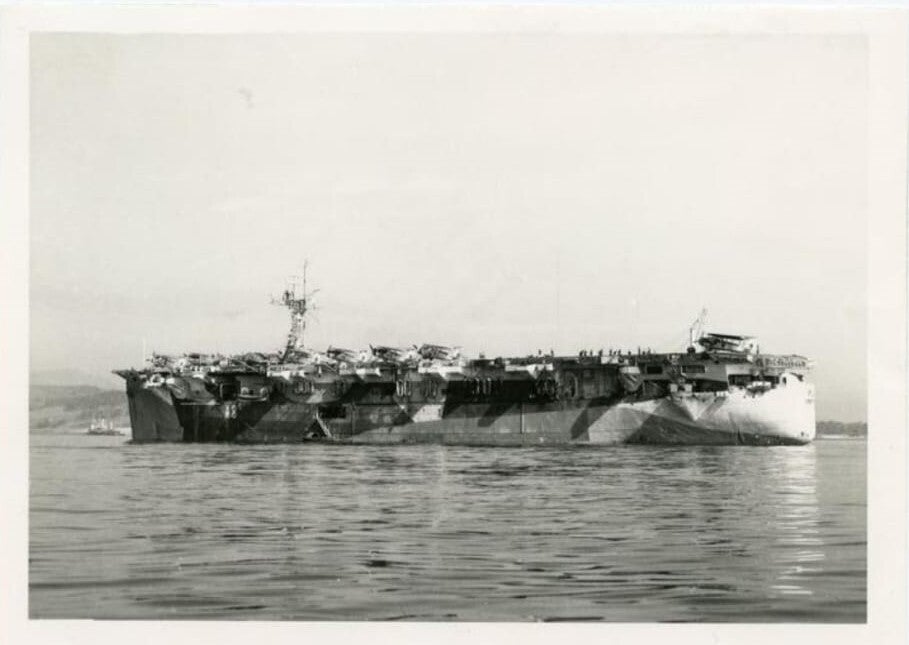
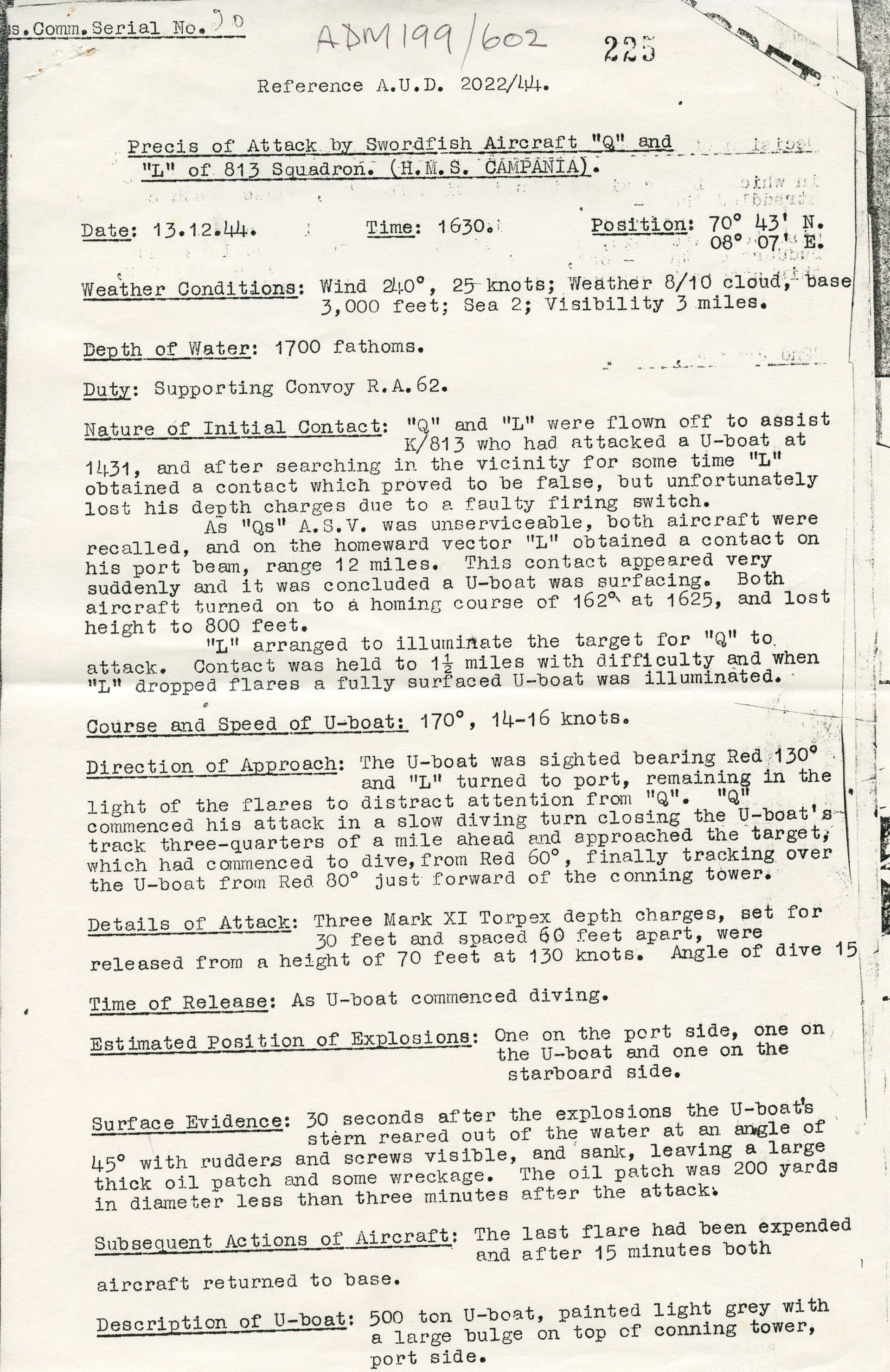
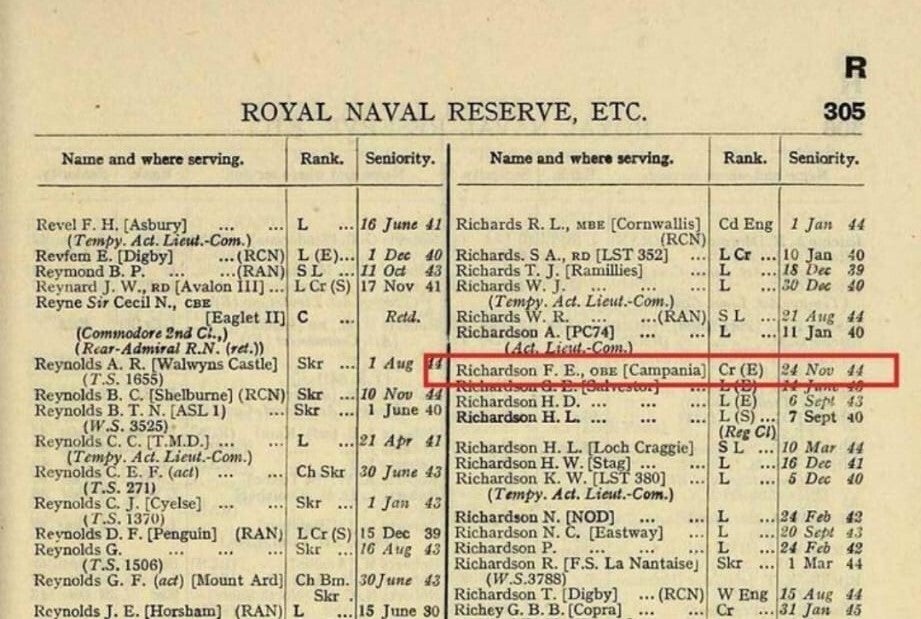
In February 1944, because HMS Echo was going to be sold to Greece, he was transferred to an American escort carrier which served temporarily with the Royal Navy on loan lease. On board this warship, Frank took part in anti-submarine warfare for several months. In November, Frank was transferred again and came to serve aboard the aircraft carrier HMS Campania. Right at the beginning of her placement on board this ship, she would come into action when she would take part in the search for the Tirpitz, which was finally sunk on November 12, 1944 by 32 Lancaster bombers. HMS Campania was then deployed on convoys to the Soviet Union and would undertake a total of 10 such missions to the Soviet Union. During these convoys, HMS Campania was often under attack by German Ju-88 torpedo bombers flying out from Banak, Trondheim and Bardufoss, among other places.
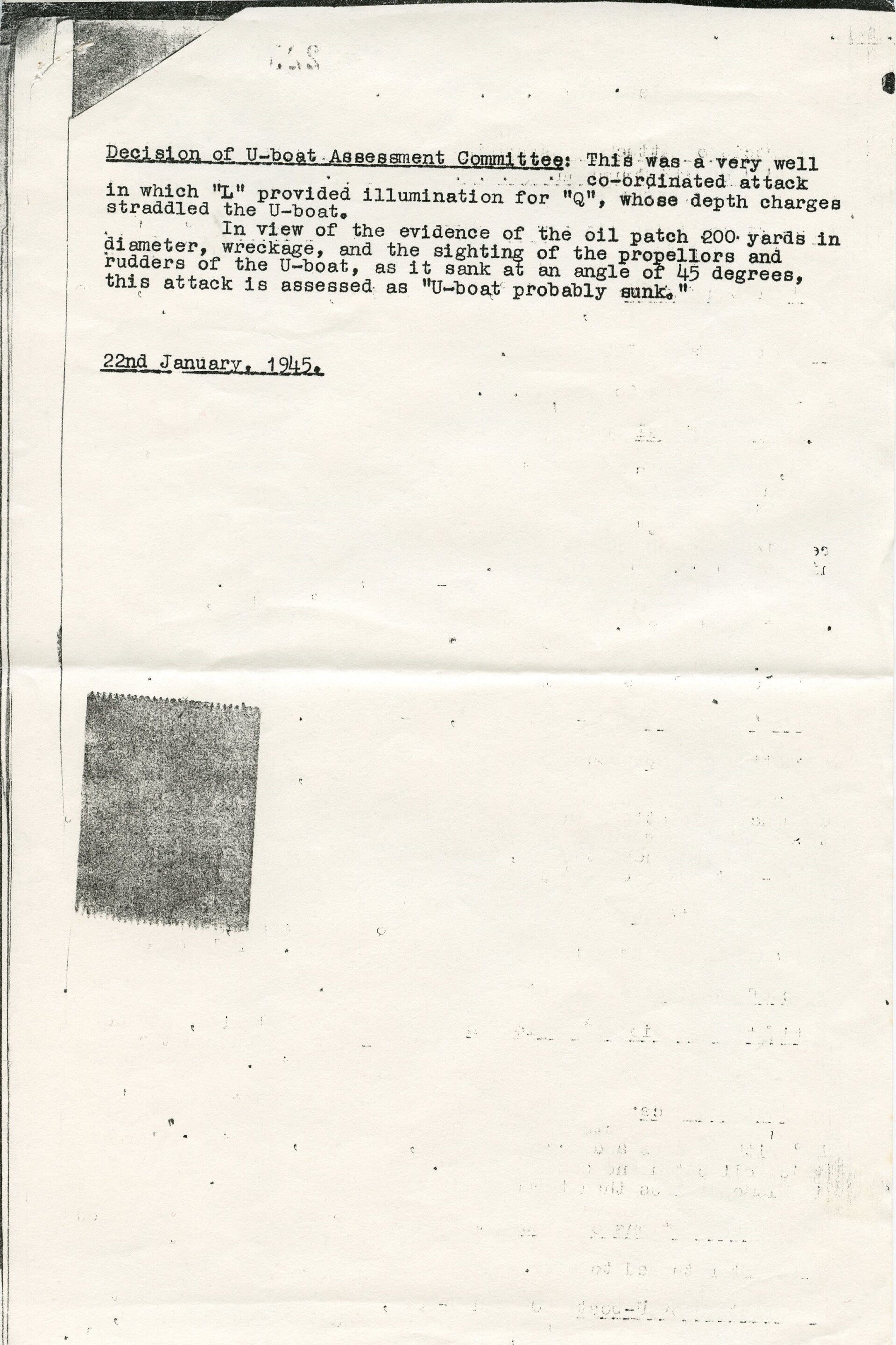
In December, aircraft of this aircraft carrier managed to sink the German U-365. During "Russia Convoy" JW-64, HMS Campania was sailing alongside HMS Bluebell as the convoy prepared near Murmansk. Unaware of the fact that German U-711 was right next to the ships, this G7es fired torpedoes which missed HMS Campania but hit HMS Bluebell, which then sank within only 30 seconds, killing 85 crew members.
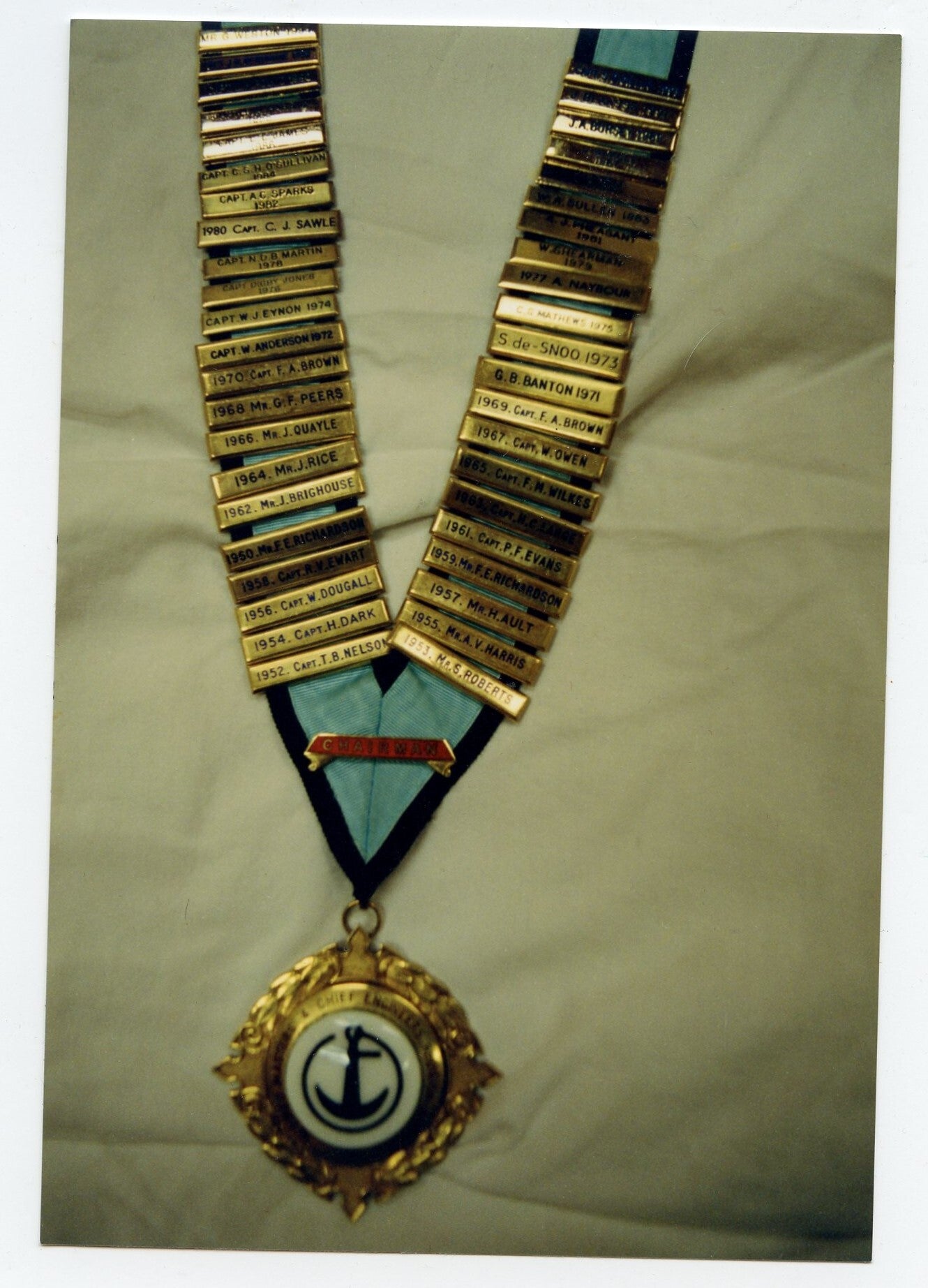
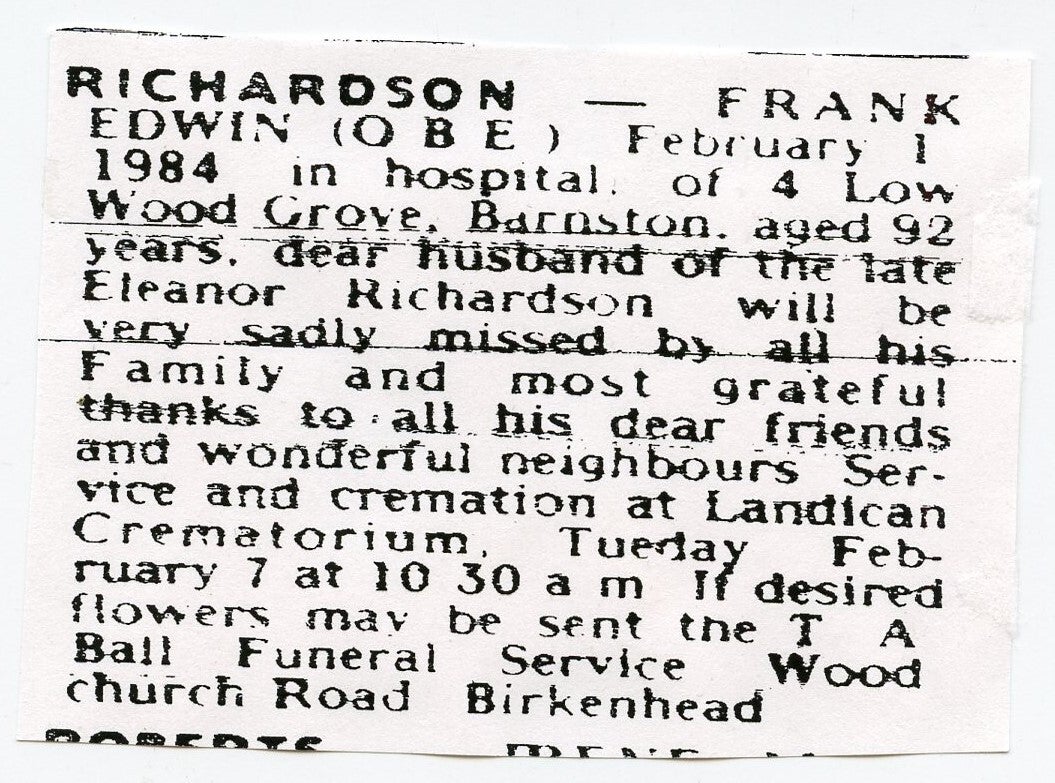
After the war, Frank returned to the merchant navy where he served before the war and retired at the age of 60, in November 1951. After this, he and his wife went to live in Barnston in Essex. After his retirement he was very involved in the reunion association of his merchant marine company where he eventually became Chairman in 1959 and 1960, his name is still mentioned on one of the clasps of the Chairman's Chain today. Frank died in February 1984 at the age of 92. His wife Eleanor had already died by then. According to the Probate Calendar, he left a whopping almost 50,000 pounds to an unknown person.
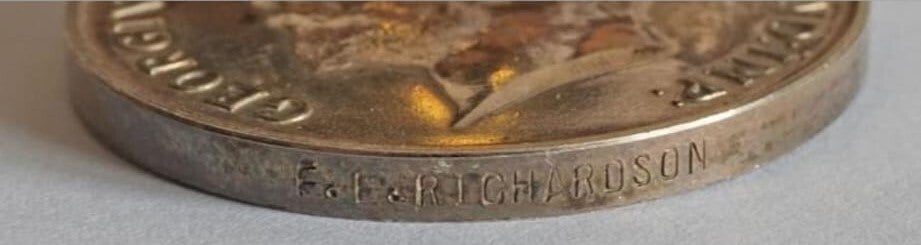
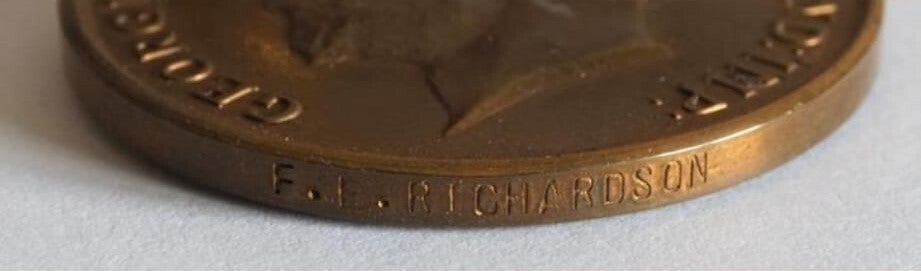
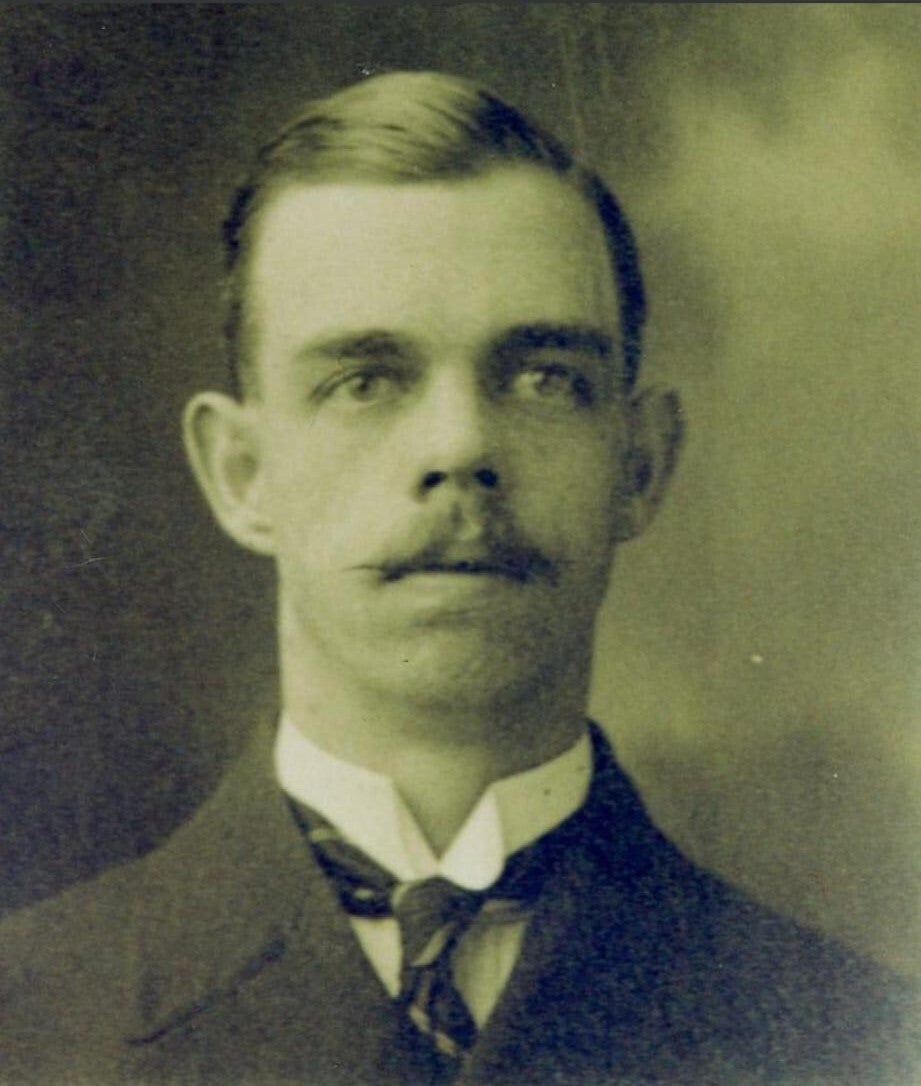
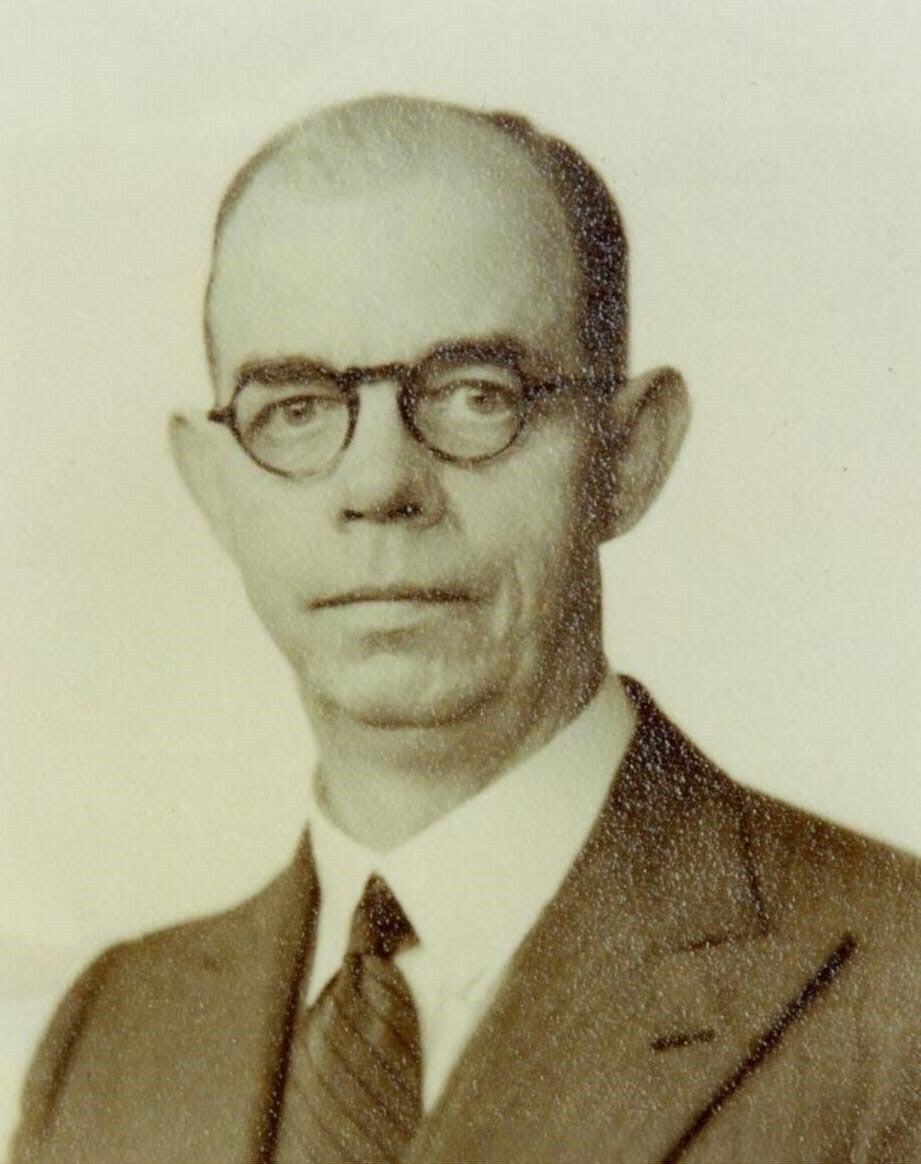
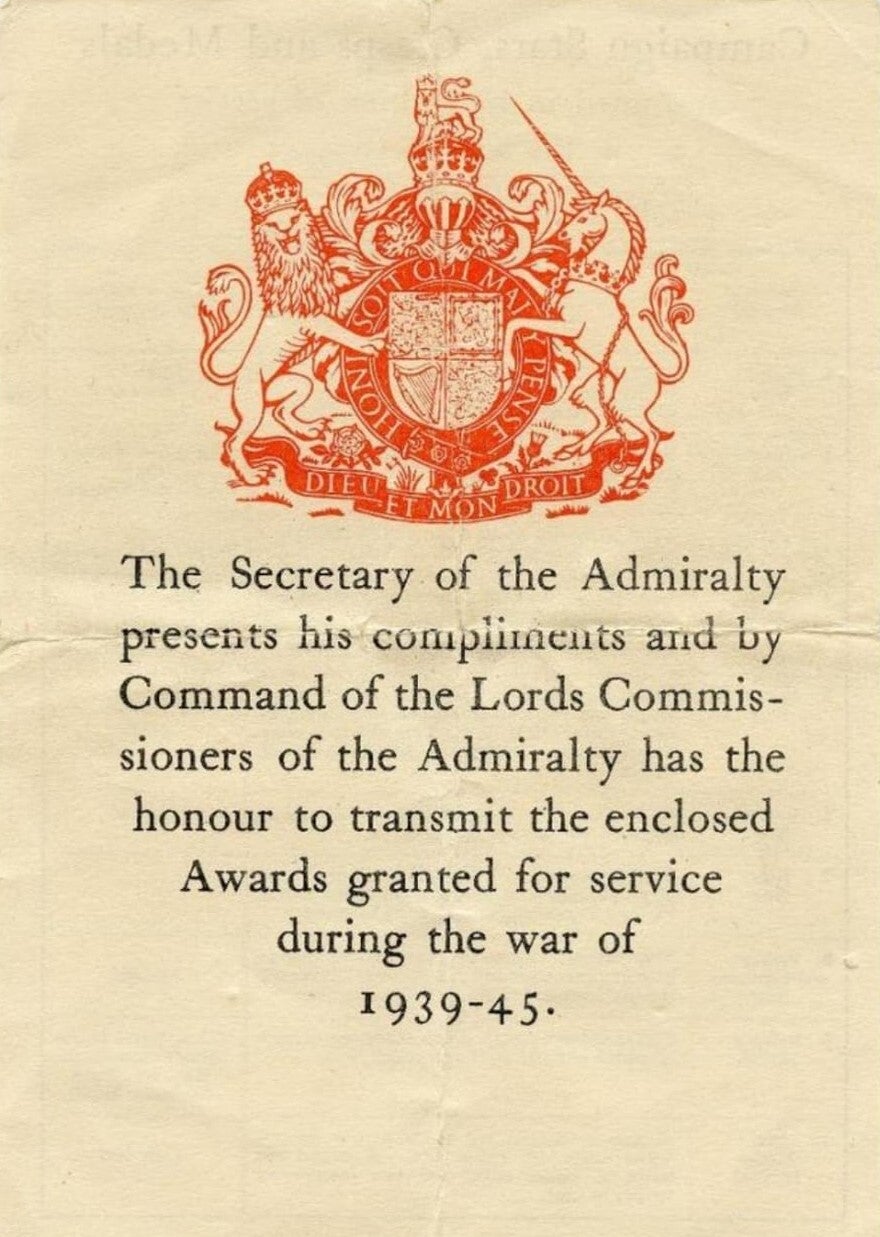
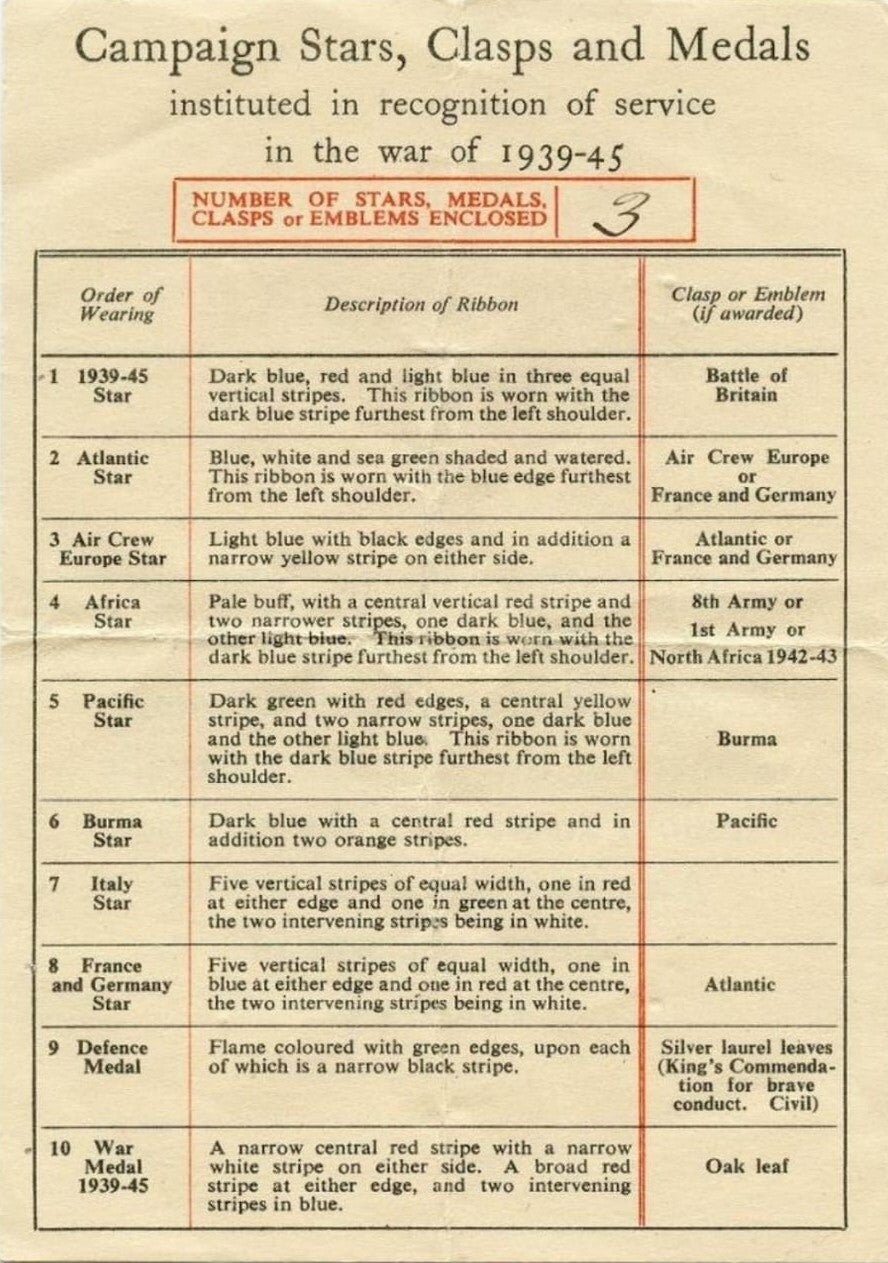
The medal set is his complete set and it consists primarily of the Officer of the Most Excellent Order of the British Empire (Military Division), British War Medal, Mercantile Marine Medal, 1939-1945 Star, Atlantic Star and War Medal. All awards are in perfect condition and come from their original ribbons. The British War Medal and Mercantile Marine Medal have correct government engravings with the man's initials and surname. Men of the Mercantile Marine were not eligible for a Victory Medal of 1914(-15) Star. The set also includes archival research, two photocopies of Frank's photographs, his original Medals Award Slip and a beautiful photograph of HMS Campania.
(This set originates from our private collection)